How to Teach Your Child Sudoku
Sudoku builds three skills every elementary student needs: pattern recognition, working memory, and patience. Here's the fastest path from zero to independent solving.
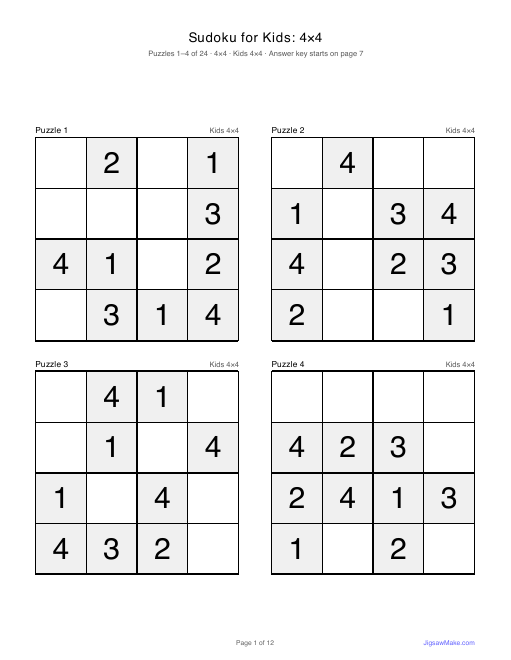
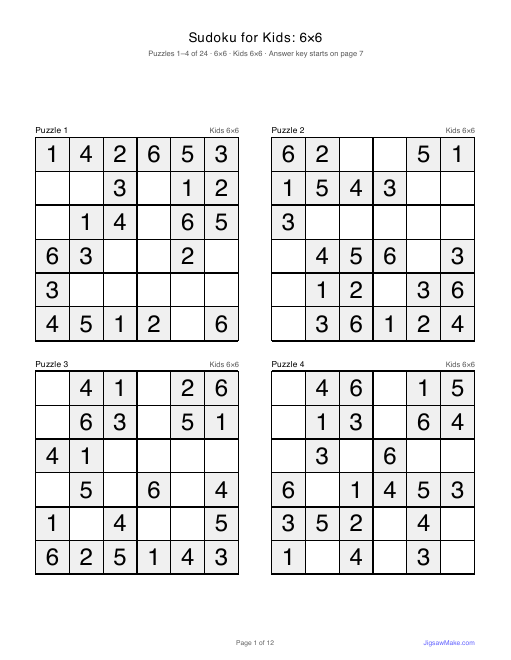
Match the grid size to your child's age for the best start: 4×4 works well for ages 4-6, 6×6 suits ages 6-8 (our default above), and easy 9×9 fits kids age 8 and up. Not sure which fits? Print a blank sudoku grid to practice writing candidates at any size before jumping into full puzzles.
- Start small with 4×4. Once your child solves 4×4 puzzles confidently, move up to 6×6, then easy 9×9 — each size uses the same rule, just fewer or more numbers.
- Start with the rules, not strategy. Every row, column, and box must contain each number once, with no repeats. That's it. Demonstrate by pointing at a solved puzzle.
- Solve the first puzzle together. Don't just hand them a puzzle — sit beside them for the first 2-3. Think out loud: "Row 3 has 2, 5, 8, 9 already. So the empty cells need 1, 3, 4, 6, 7."
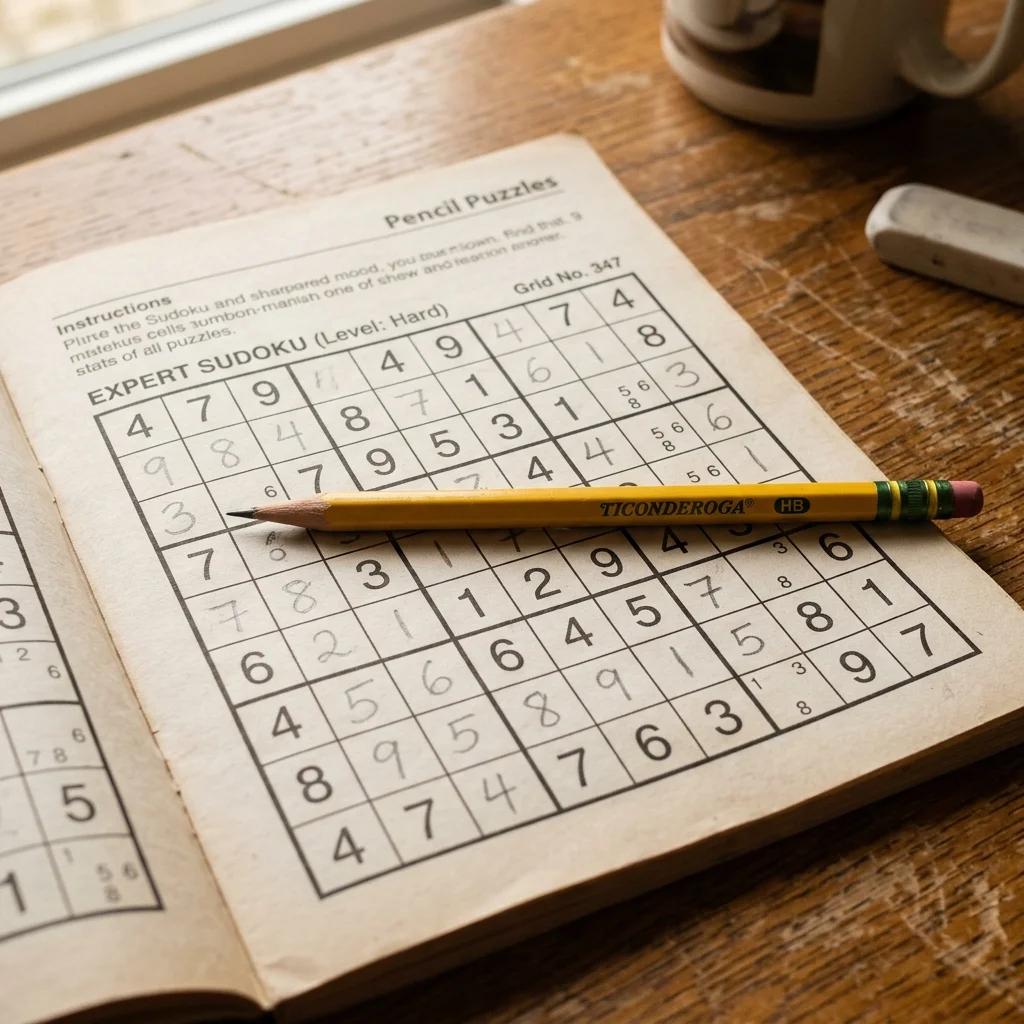
- Teach the "last missing digit" trick. Find rows/columns/boxes with 8 cells filled. The missing number is whatever's not there. Most easy puzzles crack open with this.
- Use pencil. Let them write tentative numbers and erase. Ink creates stress.
- Celebrate first solves. Print the finished puzzle, stick it on the fridge. Kids who feel successful want to do more.
- Graduate to Medium when they're ready. Once Easy takes under 10 minutes consistently, move up. Don't rush — frustration kills the habit.